AI-Accelerated Drug Discovery from Venoms

Venoms don't kill.
They target.
So do drugs.


0K+ Venomous species <0.1% explored (Global) 0% explored (India) ~$0B Venom Drug Market 12 FDA-approved drugs 0 To be discovered
Supported by
Indian Institute of Science
Speciale Invest
Speciale Invest
South Park Commons
South Park Commons
ArtPark
ARTPARK
Evolutionary Venomics Lab
Scroll
Thesis

"Venom peptides don't destroy.
They Bind, Block, Modulate"

Evolution had a 700M-year head start. We're catching up.

Venoms are nature’s most information-dense drug library—vast, precise, and underexplored. We combine high-resolution venomics with AI to decode targets and generate clinically actionable leads.

<0.1% explored.
A library larger than all synthetic chemistry—waiting.

The Precedent

FDA-Approved Venom Therapeutics

FDA Approved 🐚

Ziconotide (Prialt)

Derived from cone snail Conus magus toxin ω-conotoxin. A pioneering non-opioid analgesic for severe chronic pain.

POTENCY: 1,000× Morphine
TARGET MARKET: ~$70B (Pain)

Conus magus · FDA Approved 2004

FDA Approved 🦎

Exenatide (Byetta)

Based on exendin-4 from Gila monster Heloderma suspectum saliva. The foundational GLP-1 receptor agonist for type 2 diabetes.

PEAK SALES: $1.2B / year
CLASS VALUE: $20B+

Heloderma suspectum · FDA Approved 2005

FDA Approved 🐍

Captopril

Inspired by bradykinin-potentiating peptides in Brazilian pit viper Bothrops jararaca venom. The first ACE inhibitor to hit the market.

PEAK SALES: $1.6B / year
CLASS VALUE: $30B+

Bothrops jararaca · FDA Approved 1981

Cone snail toxins pain therapeutics Gila monster saliva Exenatide / Byetta (diabetes) Brazilian pit viper Captopril (ACE inhibitor) Tarantula peptides chronic pain Sea anemone toxins autoimmune diseases Black mamba proteins analgesics Cone snail toxins pain therapeutics Gila monster saliva Exenatide / Byetta (diabetes) Brazilian pit viper Captopril (ACE inhibitor) Tarantula peptides chronic pain Sea anemone toxins autoimmune diseases Black mamba proteins analgesics
Nature’s Precision

The Venomics Advantage

0K+
Venomous species on Earth
20M+
Unique bioactive peptides estimated
700M
Years of evolutionary optimisation
~$12B
Global venom-derived drug market
Structurally Constrained (Stability) Pre-locked conformations ensure high stability and resistance to degradation.
Hyper-Selective (Efficacy) Exceptional target affinity with near-zero off-target toxicity.
Physiologically Validated (Safety) Evolution-vetted across 700 million years of in vivo testing.
Unlocking Hard-to-Hit Targets:

Voltage-gated ion channels (pain, epilepsy), GPCRs (metabolic, cardiovascular), and Coagulation factors (thrombosis).

🐍

Snakes

Phospholipases, metalloproteinases, three-finger toxins — cardiovascular, neurology

4,229+ species
🦂

Scorpions

Chlorotoxin, iberiotoxin — oncology, pain, ion channel targets

2,700+ species
🕷️

Spiders

Acylpolyamines, knottins — pain, epilepsy, anti-infective

53,680+ species
🐚

Cone Snails

Conotoxins — one of the richest peptide sources known, analgesics

900+ species
🪼

Cnidarians

Sea anemone toxins — ion channel blockers, autoimmune disease

11,000+ species
🦎

Lizards & Reptiles

Exendins, helodermins — metabolic disease, GLP-1 pathway

~150+ species
Our Platform

The Venomics AI Discovery Engine

A four-layer platform that connects India’s venom biodiversity with multi-omics, generative AI, and translational screening to discover next-generation therapeutics.
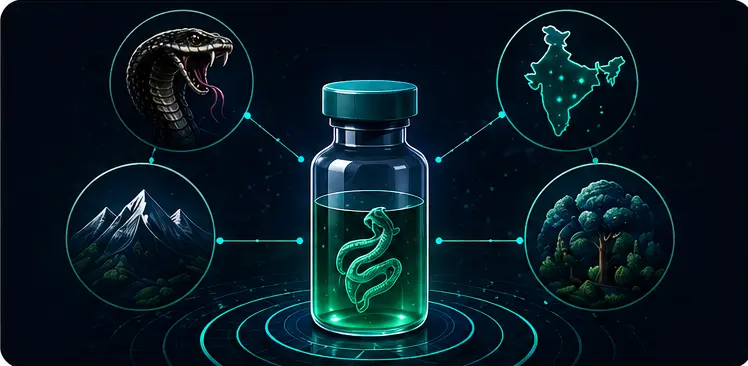
Venom Bank
Pillar 01

Venom Bank

India’s curated repository of animal venoms from medically important species across the subcontinent — each linked to specimen identity, geography, and ecology.
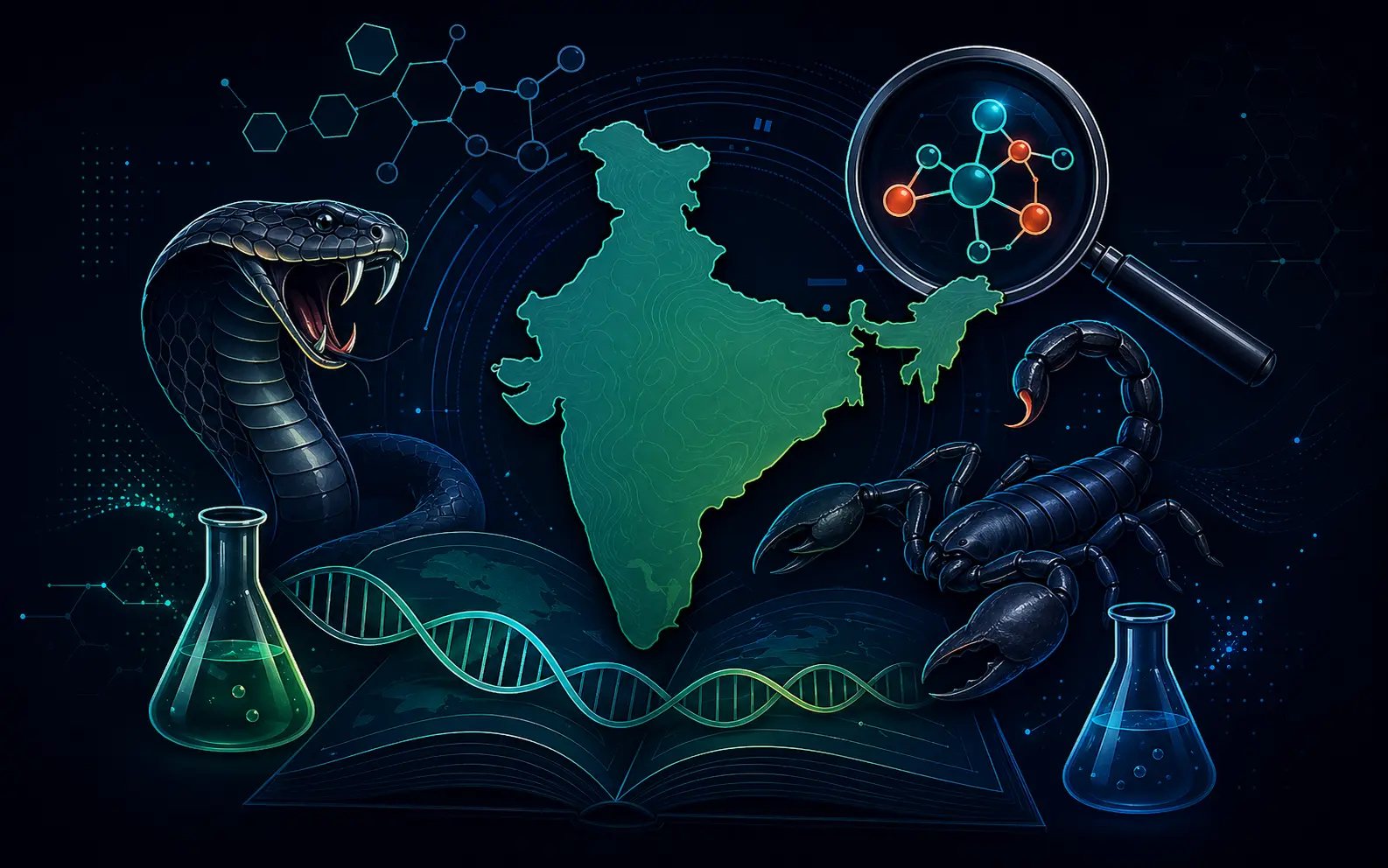
Venom Atlas
Pillar 02

Venom Atlas

A multi-omics database connecting venom composition with toxin sequences, species biology, and experimentally validated bioactivity — searchable by species, toxin family, or disease target.
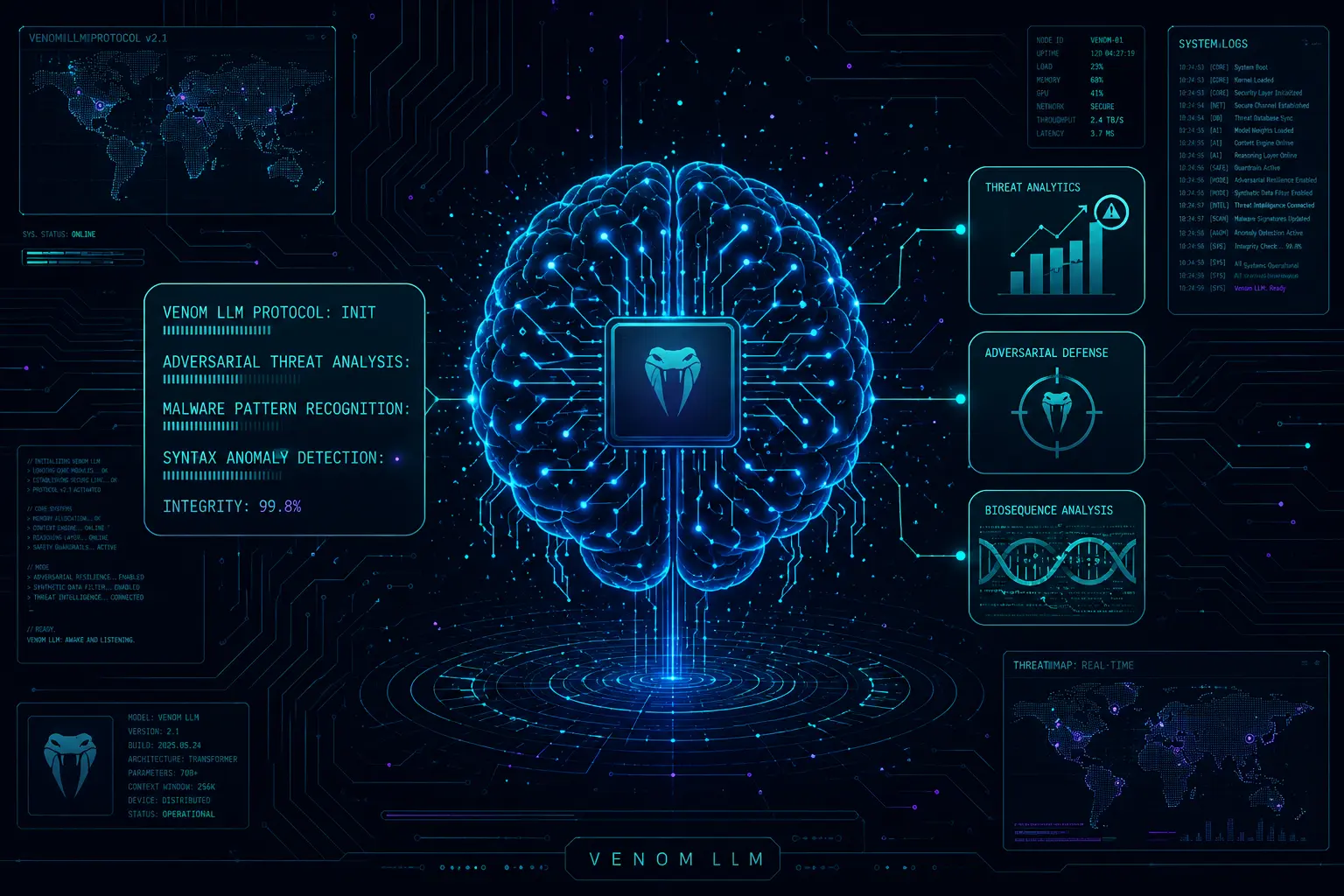
Venom LLM
Pillar 03

Venom LLM

A purpose-built AI trained on toxin sequence–activity pairs to predict biological activity, score target selectivity, and generate optimised peptide leads.
Venomics Library
Pillar 04

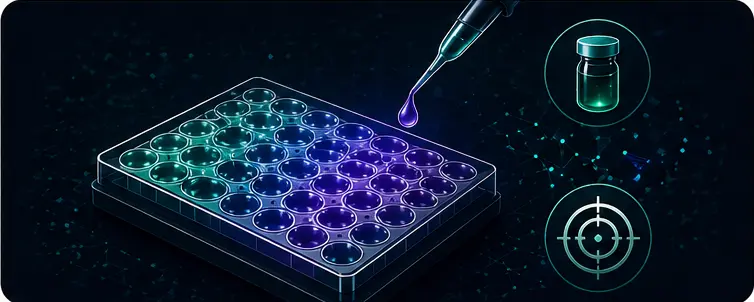
Venomics Library

10,000+ natural toxins and synthetic analogues screened against 100+ disease-relevant targets, bridging computational prediction with preclinical development.
Automation Vision
Vision

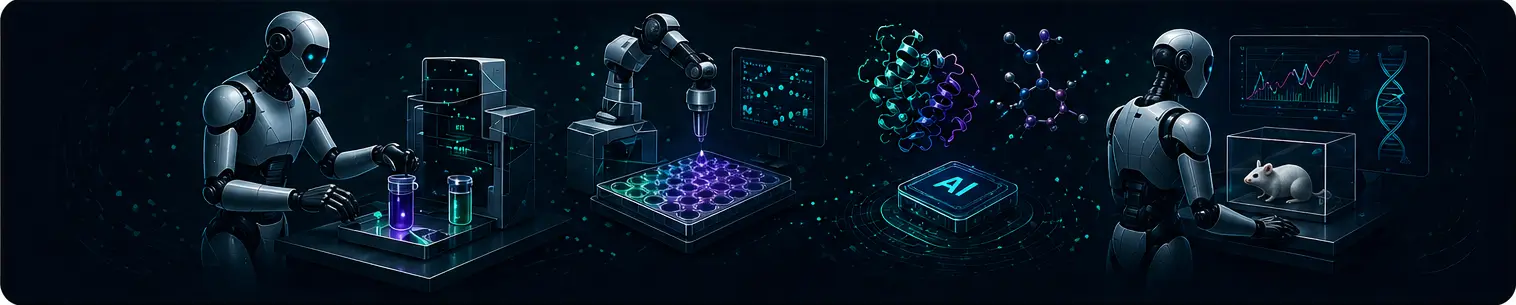
Automation Vision

Humanoids + AI for autonomous drug discovery

We envision a fully automated discovery ecosystem where humanoid robots, laboratory automation, and AI agents accelerate every stage of therapeutic development — from venom fractionation and molecular screening to candidate optimisation and preclinical validation.

Core Expertise

From fang to pharmacy

An end-to-end platform spanning field ecology, computational biology, and translational drug discovery.

Biodiversity Atlas

A venom biodiversity resource from the Indian subcontinent, anchored by medically and biologically important species.

Evolutionary Venomics

Tracing how toxins diversify across species, geography, ecology, and evolutionary time.

Venom Biochemistry & Pharmacology

Proteomics, fractionation, biochemical assays, and pharmacology to decode venom activity.

AI & Large Language Models

AI workflows for venom annotation, target prediction, molecular prioritisation, and design.

Antibody Discovery & Engineering

Discovery, optimisation, and engineering of antibodies against medically important toxins.

Drug Discovery & Development

Connecting toxin biology and translational science to advance selective therapeutic leads.

Small-Molecule Drugs & Phytocompounds

Screening natural products, phytocompounds, and synthetic molecules as venom inhibitors.

Partnerships & Licensing

Academic, clinical, industry, and regulatory collaborations for validation and licensing.

The Founders

Meet the minds behind the mission

A multidisciplinary team spanning toxinology, computational biology, and machine learning.
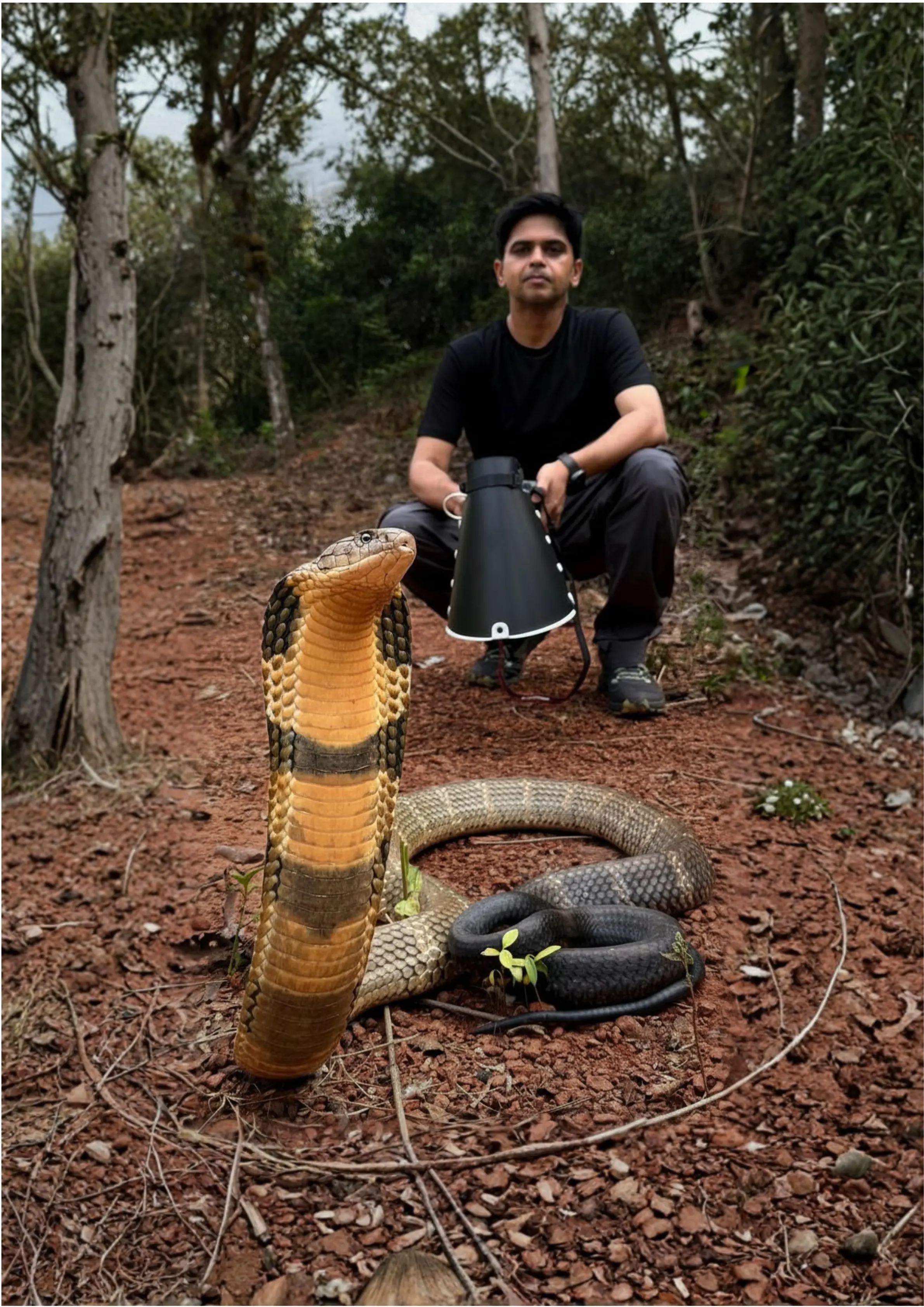
Prof. Kartik Sunagar
The Venomics Guru
Professor, Centre for Ecological Sciences, Indian Institute of Science, Bengaluru

An evolutionary biologist and founder building at the intersection of biodiversity, deep science, and drug discovery. Based at IISc, Bengaluru, his research group studies animal venoms and develops innovative treatments for snakebite, including monoclonal antibodies and small-molecule therapeutics. Through Venomics AI, he is creating a scalable biodiscovery platform that transforms nature’s toxins into tomorrow’s medicines.
95Publications
6,121Citations
39h-index
71i10-index
36Journals
Google Scholar ↗
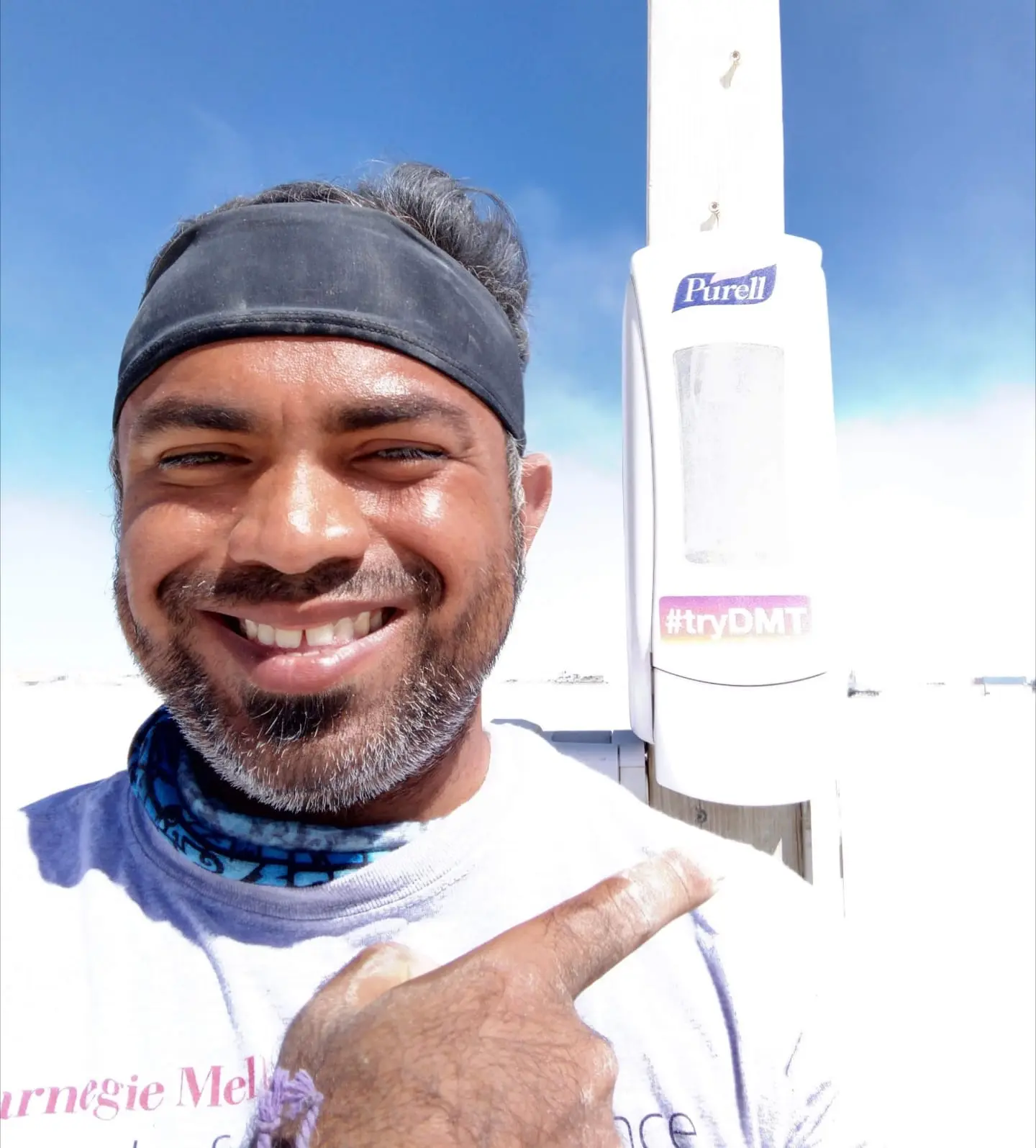
Dr. Vinay Prabhu
Dr. Vinay Prabhu
The AI Wonk
PhD, Electrical & Computer Engineering Carnegie Mellon University MSEE · IIT Madras

An AI expert and technology leader building at the intersection of computation and drug discovery. He leads the development of advanced machine learning platforms that analyse complex biological data, enabling the identification and optimisation of novel therapeutic candidates. As co-founder of Venomics.AI, he drives the company’s computational strategy, transforming large-scale venom datasets into actionable insights for next-generation medicines.

42Publications
4,715Citations
13h-index
19i10-index
XJournals
Google Scholar ↗
Scientific Network

Advisors & Collaborators

World-Class Scientists Guiding and Validating Our Science.

Prof. Nicholas Casewell
Professor of Tropical Disease Biology Liverpool School of Tropical Medicine, UK
Snakebite Therapeutics
Prof. Nikhil Gandasi
Assistant Professor, Department of Developmental Genetics, Indian Institute of Science, Bangalore, India
Diabetes

+ Expanding Advisory Board

Our advisory network is growing — reach out if you'd like to collaborate.

Selected Publications

Peer-reviewed science

Toxins
Venom down under: Dynamic evolution of Australian elapid snake toxins
2013
Royal Soc Chem
Seeing the woods for the trees: understanding venom evolution as a guide for biodiscovery
2015
OUP
Signs, Symptoms, and Treatment of Envenomation
2015
OUP
Antivenom Research and Development
2015
OUP
Ineffective Traditional and Modern Techniques for the Treatment of Snakebite
2015
eLife
Dynamics of venom composition across a complex life cycle
2018
PLoS Negl Trop Dis
Beyond the ‘big four’: Venom profiling of the medically important yet neglected Indian snakes reveals disturbing antivenom deficiencies
2019
Trends Pharmacol Sci
Causes and consequences of medically-important snake venom variation
2020
Indian J Med Res
White paper on venomous snakebite in India
2021
PLoS Negl Trop Dis
Biogeographical venom variation in the Indian spectacled cobra (Naja naja) underscores the pressing need for pan-India efficacious snakebite therapy
2021
Indian Pediatr
Evolution bites: Timeworn inefficacious snakebite therapy in the era of recombinant vaccines Indian Pediatrics
2021
PLoS Negl Trop Dis
Biogeographic venom variation in Russell’s viper (Daboia russelii) and the preclinical inefficacy of antivenom therapy in snakebite hotspots
2021
J Proteomics
Remarkable intrapopulation venom variability in the monocellate cobra (Naja kaouthia) unveils India’s snakebite problem
2021
Front Pharmacol
Venomics of the enigmatic Andaman cobra (N. sagittifera) and the preclinical failure of Indian antivenoms in Andaman and Nicobar Islands
2021
Toxins
The preclinical evaluation of a second-generation antivenom for treating snake envenoming in India
2022
Toxins
The Middle Eastern cousin: Comparative venomics of Daboia palaestinae and Daboia russelii
2022
Int J Mol Sci
Fangs in the Ghats: preclinical insights into the medical importance of endemic pit vipers from the Western Ghats.
2023
Int J Biol Macromol
The Royal Armoury: Venomics and antivenomics of king cobra (Ophiophagus hannah) from the Indian Western Ghats
2023
Sci Transl Med
Synthetic development of a broadly cross-reactive long chain three-finger toxin neutralizing antibody.
2024
Int J Mol Sci
Harnessing the Cross-Neutralisation Potential of Existing Antivenoms for Mitigating the Outcomes of Snakebite in Sub-Saharan Africa.
2024
BMC Biol
From Birth to Bite: The Evolutionary Ecology of India's Medically Most Important Snake Venoms.
2024
Front Pharmacol
Elusive elapid: Biogeographic venom variation in Indian kraits and its repercussion on snakebite therapy
2024
PLoS Negl Trop Dis
Significant Serpents: Predictive Modelling of Bioclimatic Venom Variation in Russell’s Viper.
2025
Lancet Reg Health SEA
Clinical challenges, controversies, and regional strategies in snakebite care in India
2025
Commun Biol
Preclinical evaluation of small molecule inhibitors as early-intervention therapeutics against the pan-Indian Russell’s viper (Daboia russelii) envenoming.
2025
Toxins
Explaining Echis: Proteotranscriptomic Profiling of Echis carinatus carinatus Venom
2025
Int J Biol Macromol
Dissecting Daboia: Investigating synergistic effects of Russell’s viper venom toxins.
2025
PLoS Negl Trop Dis
Hiss and tell: What influences venom yields of India's big four snakes?
2025
Toxins
Venom down under: Dynamic evolution of Australian elapid snake toxins
2013
Royal Soc Chem
Seeing the woods for the trees: understanding venom evolution as a guide for biodiscovery
2015
OUP
Signs, Symptoms, and Treatment of Envenomation
2015
OUP
Antivenom Research and Development
2015
OUP
Ineffective Traditional and Modern Techniques for the Treatment of Snakebite
2015
eLife
Dynamics of venom composition across a complex life cycle
2018
PLoS Negl Trop Dis
Beyond the ‘big four’: Venom profiling of the medically important yet neglected Indian snakes reveals disturbing antivenom deficiencies
2019
Trends Pharmacol Sci
Causes and consequences of medically-important snake venom variation
2020
Indian J Med Res
White paper on venomous snakebite in India
2021
PLoS Negl Trop Dis
Biogeographical venom variation in the Indian spectacled cobra (Naja naja) underscores the pressing need for pan-India efficacious snakebite therapy
2021
Indian Pediatr
Evolution bites: Timeworn inefficacious snakebite therapy in the era of recombinant vaccines Indian Pediatrics
2021
PLoS Negl Trop Dis
Biogeographic venom variation in Russell’s viper (Daboia russelii) and the preclinical inefficacy of antivenom therapy in snakebite hotspots
2021
J Proteomics
Remarkable intrapopulation venom variability in the monocellate cobra (Naja kaouthia) unveils India’s snakebite problem
2021
Front Pharmacol
Venomics of the enigmatic Andaman cobra (N. sagittifera) and the preclinical failure of Indian antivenoms in Andaman and Nicobar Islands
2021
Toxins
The preclinical evaluation of a second-generation antivenom for treating snake envenoming in India
2022
Toxins
The Middle Eastern cousin: Comparative venomics of Daboia palaestinae and Daboia russelii
2022
Int J Mol Sci
Fangs in the Ghats: preclinical insights into the medical importance of endemic pit vipers from the Western Ghats.
2023
Int J Biol Macromol
The Royal Armoury: Venomics and antivenomics of king cobra (Ophiophagus hannah) from the Indian Western Ghats
2023
Sci Transl Med
Synthetic development of a broadly cross-reactive long chain three-finger toxin neutralizing antibody.
2024
Int J Mol Sci
Harnessing the Cross-Neutralisation Potential of Existing Antivenoms for Mitigating the Outcomes of Snakebite in Sub-Saharan Africa.
2024
BMC Biol
From Birth to Bite: The Evolutionary Ecology of India's Medically Most Important Snake Venoms.
2024
Front Pharmacol
Elusive elapid: Biogeographic venom variation in Indian kraits and its repercussion on snakebite therapy
2024
PLoS Negl Trop Dis
Significant Serpents: Predictive Modelling of Bioclimatic Venom Variation in Russell’s Viper.
2025
Lancet Reg Health SEA
Clinical challenges, controversies, and regional strategies in snakebite care in India
2025
Commun Biol
Preclinical evaluation of small molecule inhibitors as early-intervention therapeutics against the pan-Indian Russell’s viper (Daboia russelii) envenoming.
2025
Toxins
Explaining Echis: Proteotranscriptomic Profiling of Echis carinatus carinatus Venom
2025
Int J Biol Macromol
Dissecting Daboia: Investigating synergistic effects of Russell’s viper venom toxins.
2025
PLoS Negl Trop Dis
Hiss and tell: What influences venom yields of India's big four snakes?
2025
Get In Touch

Let's build the future of medicine together

Whether you're an investor, partner, scientist, or patient advocate — we want to hear from you.

info@venomics.ai

Location

Indian Institute of Science, Bengaluru 560012, India

Partnerships & Licensing

info [at] venomics.ai

Send us a message